
Welcome to your trusted roundup of the day’s most important health discoveries—handpicked by our team from top sources like NIH, MedTech, ScienceDaily, and more.
🩺 Daily Picks by Our Team
Brought to you by Healthwise Feed’s “Daily Picks” team. Curated from credible health sources.
👉 Follow us @healthwisefeed1 for more wellness tips and updates.
Brought to you by Healthwise Feed’s “Daily Picks” team. Curated from credible health sources.
👉 Follow us @healthwisefeed1 for more wellness tips and updates.

-
Why some people escape Alzheimer’s despite carrying a high-risk gene
 Scientists have discovered why some people with a high genetic risk of Alzheimer’s remain mentally sharp into their 80s, uncovering a rare mutation that protects the brain from harmful protein buildup. The findings reveal a potential new way to prevent early brain damage and could pave the way for treatments... Read more
-
Scientists discover why some people still can’t taste food after COVID-19
Scientists have uncovered a possible explanation for why some people struggle to taste food more than a year after recovering from COVID-19. By examining taste buds from patients with lingering symptoms, researchers discovered molecular abnormalities that weaken the signals responsible for detecting sweet, bitter, and savory flavors.... Read more
-
Just 3,000 steps a day may help slow Alzheimer's, scientists find
Walking just 3,000 steps a day could help slow Alzheimer’s-related brain changes, according to new research. Scientists discovered that physical activity was linked to less buildup of harmful tau proteins and nearly half the cognitive and functional decline, even in people already showing early signs of the disease. The strongest... Read more
-
Scientists win 2026 Nobel Prize for controlling brain cells with light
A discovery in tiny algae led to a Nobel Prize-winning breakthrough that allows scientists to switch brain cells on and off using light. The revolutionary technique has already helped researchers activate memories and is opening new possibilities for restoring vision and treating brain disorders.... Read more
-
"Mind-blowing" Alzheimer’s breakthrough: Two hours of sleep restored without clearing brain plaques
Scientists have uncovered an unexpected culprit behind sleep loss in Alzheimer’s disease: overactive immune cells in the brain. By temporarily removing these cells, researchers restored more than two hours of sleep per day in mice, revealing a promising new target for treatment.... Read more
-
MedTech Intelligence Industry Survey Research Methodology
 The MedTech Intelligence Industry Survey is a primary research initiative designed to capture the perspectives of professionals working across the medical technology sector. The study is intended to examine the pressures, priorities, technology shifts, operational challenges, and strategic changes influencing MedTech organizations in 2026. The research is being conducted in... Read more
-
Cybersecurity by Design: Building Traceable Execution Across the MedTech Lifecycle
ASK THE EXPERT Medical devices are becoming increasingly software-defined and connected, making cybersecurity inseparable from patient safety, product quality, regulatory compliance, and market access. Yet many organizations still manage cybersecurity through disconnected tools, teams, and documentation—making it difficult to understand the impact of change or respond quickly when new vulnerabilities... Read more
-
Reverse Engineering in Medical Device Design: When and Why It Makes Sense
Reverse engineering carries a reputation problem in medical device circles; it sounds like copying. In practice, it’s a legitimate engineering discipline with specific, defensible use cases: replacing obsolete components, improving an existing design’s manufacturability, and indigenizing imported parts. This article looks at when reverse engineering genuinely makes sense in medical... Read more
-
AI-Assisted Triage: Accelerating Post-Market Surveillance While Eliminating Reporting Blind Spots
The triage problem nobody planned for Complaint handling was designed for a world where complaints arrived slowly and looked alike. That world is gone. A single high-volume product line can generate thousands of records a month, and they arrive from everywhere: call centers, field service reports, distributor emails, hospital portals,... Read more
-
Sensors at the Edge: Powering Smarter Healthcare
Healthcare is undergoing a fundamental shift. For decades, care has been built around episodic interactions such as a doctor’s appointment, a hospital stay or a procedure. Clinicians assess a patient, make decisions based on the information available at that moment and schedule the next point of care. As healthcare expands... Read more
-
South Carolina measles outbreak grows by nearly 100, spreads to North Carolina and Ohio
South Carolina's measles outbreak exploded into one of the worst in the U.S., with state health officials confirming 99 new cases in the past three days.... Read more
-
Some flu measures decline, but it's not clear this severe season has peaked
U.S. flu infections showed signs of a slight decline last week, but health officials say it is not clear that this severe flu season has peaked.... Read more
-
Where are we at with the 'sunscreen wars'?
In Australia, we are exposed to some of the harshest and most dangerous levels of ultraviolet radiation (UV) in the world, so many of us know how important high SPF sunscreen is.... Read more
-
What is CPR and who needs it?
Cardiopulmonary resuscitation (CPR) is a vital skill anyone can perform. It is administered to an unconscious person who is not breathing normally.... Read more
-
Study finds higher hantavirus risk in drier, underdeveloped areas
In a recent study of the contiguous United States, Los Alamos National Laboratory researchers found that the risk of disease from hantavirus is higher in drier, underdeveloped geographic areas with more socioeconomic vulnerability and increased numbers of unique rodent species. This is the first study to examine the combined effects... Read more
-
Study to test if mothers’ diet prevents early sign of food allergy in babies
 NIH trial to assess if eating peanuts, eggs during pregnancy, breastfeeding protects infants.... Read more
-
Beta-HPV can directly cause skin cancer in immunocompromised people
NIH case study finds virus drives creation of cancer cells in context of defective T cells.... Read more
-
NIH researchers develop AI agent that improves accuracy of gene set analysis by leveraging expert-curated databases
 The AI agent could help lead to a better understanding of how different diseases and conditions affect groups of genes individually and together.... Read more
-
Scientists Develop High-Performance MRI Scanner in Effort to Define Microscopic Brain Structures
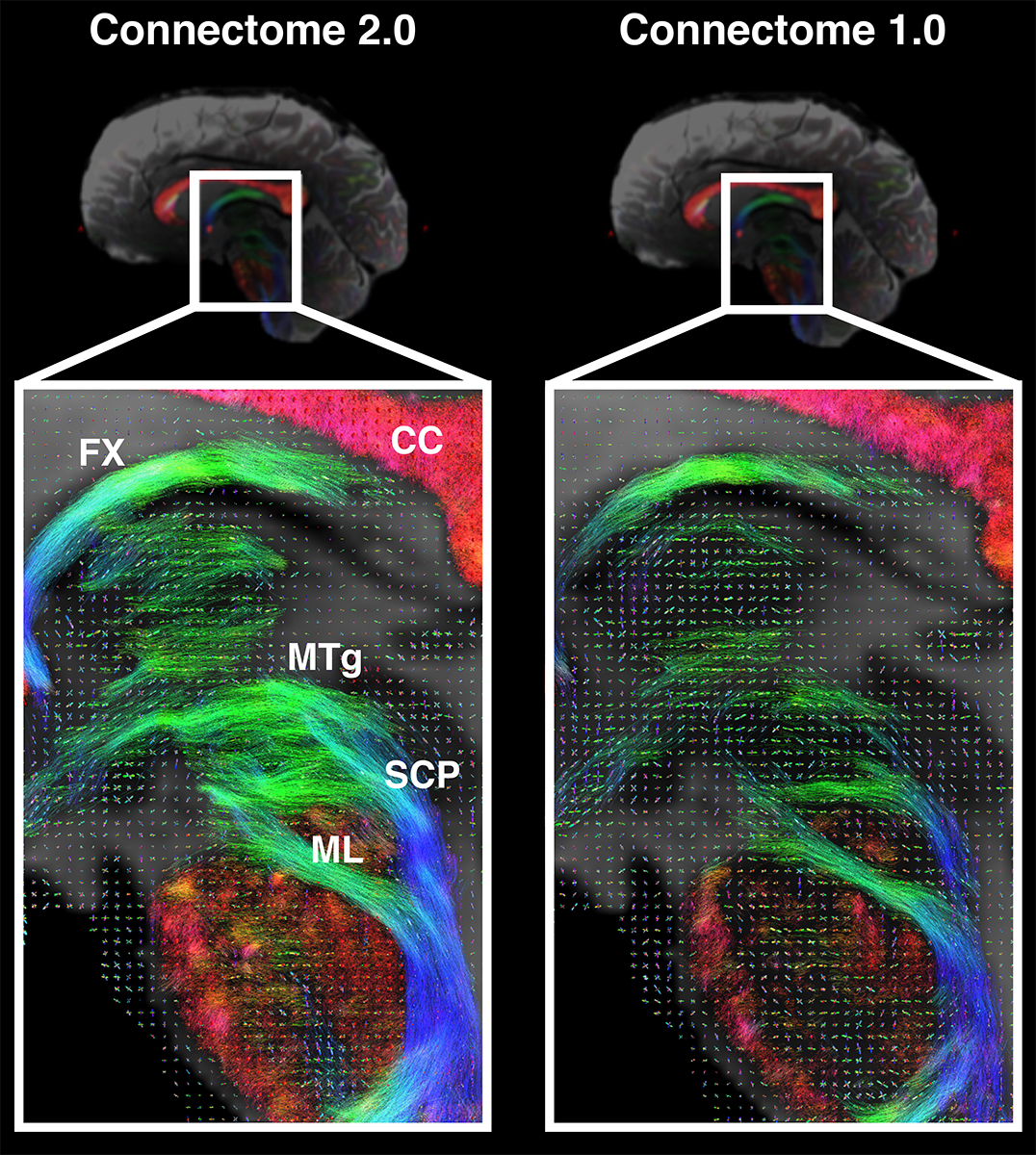 Next-generation system noninvasively images tiny nerve structures disrupted in brain disorders.... Read more
-
NIH to crack down on excessive publisher fees for publicly funded research
Effort is part of NIH’s ongoing commitment to scientific transparency and responsible stewardship of taxpayer dollars.... Read more